Graduate Student of Practice Reflection
By Maddi Schink
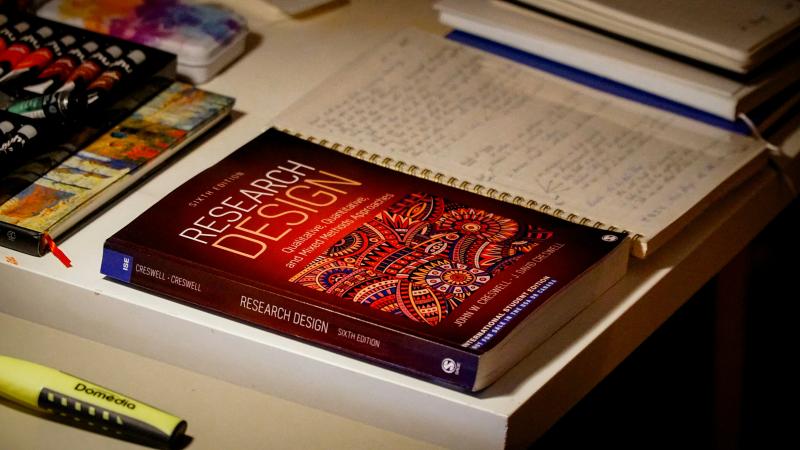
This year, my experience as a CCESL Fellow deepened and expanded what I was learning in Professor Rebecca Galemba’s Community-Based Qualitative Research course at the Korbel School of Global and Public Affairs. One of my biggest takeaways was developing a stronger understanding of community-engaged research methodologies and how researchers can build more collaborative, ethical, and mutually beneficial relationships with community partners.
Throughout the course, I regularly reflected on questions of power, positionality, ethics, and community participation through weekly journal assignments. I was especially drawn to Participatory Action Research (PAR), activist anthropology, and accompaniment methodologies because they challenge traditional ideas about who produces knowledge and for whom research is conducted. Rather than positioning researchers as outside experts, these approaches emphasize collaboration, shared decision-making, and responsiveness to community priorities. As I reflected on my coursework throughout my time as a CCESL Fellow and participant in the Graduate Community of Practice, I became increasingly interested in how research can serve communities while also generating meaningful knowledge.
This interest culminated in my presentation to the Graduate Community of Practice, where I shared with my graduate student peers from across campus and disciplines several community-engaged research approaches, including PAR, activist anthropology, accompaniment, and Rapid Ethnographic Assessment. Preparing for the presentation required me to synthesize course readings and connect them to my experiences as a CCESL Fellow. One concept that particularly resonated with me was the idea that community-engaged researchers often wear multiple “hats” and contribute in ways that extend beyond formal data collection. Researchers may serve as educators, organizers, advocates, facilitators, or even coffee-makers, depending on the needs of a project and community partner.
The Graduate Community of Practice was a space that reinforced that community-engaged research is often complex and messy, but that complexity is part of what makes it meaningful. Hearing others reflect on the benefits and challenges of balancing research, activism, and community partnership helped me think more critically about my own role as a scholar and community member. Their perspectives challenged me to think beyond research as knowledge production alone and instead view it as a collaborative process grounded in relationships, reciprocity, and a commitment to the public good.