Community Reentry Through a Different Lens
By Neil Gowensmith
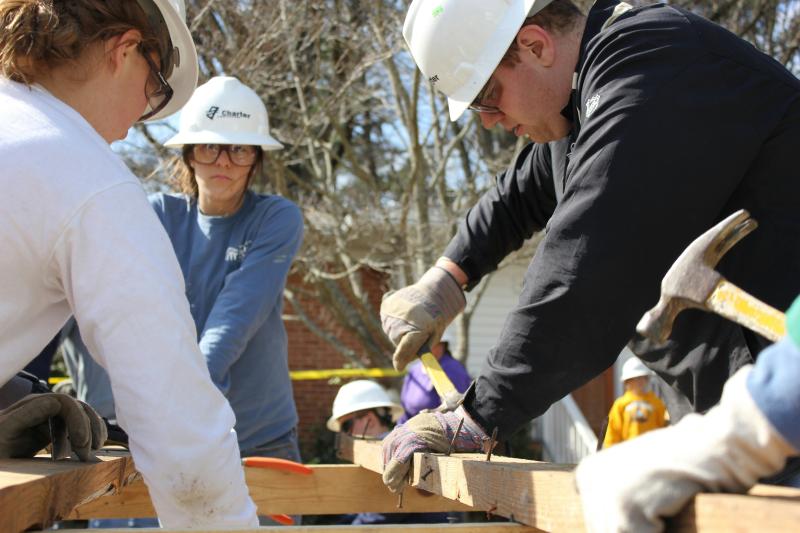
Photo provided by Brad Weaver via Unsplash
This project was designed for two main purposes. Primarily, the project was envisioned to empower persons reentering the community after time spent in jail or prison. Secondarily, through the analysis of participant themes, we hoped to add to the extant research literature about variables related to success for the reentry population. Both goals were accomplished. We will describe both here, after a brief review of the project’s methodology.
We partnered with the College Gateway Program at Red Rocks Community College, a program designed to provide academic and social support to persons reentering the community after incarceration. These “returning citizens” use Gateway as a refuge and a support system, building academic skills and coping mechanisms for community life. The Gateway program has as remarkable success rate – approximately 90-95% of graduates are not rearrested (as compared to a 45% success rate for the typical person released from a Colorado correctional facility). We have utilized previous PGF funding to explore the reasons why Gateway is so much more successful than other programs, and we have gathered good quantitative data indicating that Gateway’s operations mesh perfectly with current empirically-validated models of reentry.
However, some information from participants did not seem to be well-represented in current literature. As a result, we determined that a qualitative study would help discern these additional themes and variables that could “round out” the Gateway model. We chose photovoice as our methodology as it provides an empowerment mechanism in addition to the research component – especially relevant for returning citizens. We trained graduate research assistants and Gateway participants in the model. Participants developed two guiding questions for the project:
- What has your journey as a returning citizen been like?
- How has Gateway been a part of that journey?
Participants took photographs to metaphorically symbolize their answers to those two questions. We met in small groups to discuss the photographs; through these discussions, participants developed written narratives to accompany their photos. The photos and narratives were displayed ay multiple exhibitions (DU, Gateway, national conferences), with participants often present to discuss the project and their photos.
A correlate study was completed with a women’s reentry program in South Africa, with an identical methodological process and with a local exhibition in Cape Town.
Researchers analyzed themes of the discussions and narratives. We found that many themes match with existing empirical models (Risk-Need-Responsivity, primarily) but that some themes are not prominent in the literature. Themes of hope, resiliency, determination, and growth were voiced as critically important by the participants, yet are not found in current literature. We also compared themes from US and South African participants, again finding some overlapping themes and some that differentiated the two samples. South African participants expressed a greater need for communal support and resiliency while expressing less optimism for change, while the US participants expressed more themes of individual determination, smaller support systems, and hope / optimism for change. Both groups expressed support from others as their key theme, however. We will continue this project with additional participants and will continue to refine analyses of thematic content.